Publications
Dans cette section, vous trouverez des publications de notre Fédération ENERGIA ainsi que d'organisations externes dans divers domaines tels que le climat, l'énergie, l'industrie, les carburants du futur, l'importance économique du secteur, etc.
Etudes

Etude '« Sustainable biofeedstock supply chains for advanced biofuels in Europe towards 2050 »
Concawe[1], en collaboration avec l’Université d’Utrecht et TNO[2], a réalisé une étude «Sustainable Biomass Feedstock Supply Chains for Advanced Biofuels». Cette étude est une des analyses les plus détaillées et scientifiquement les plus robustes de la capacité de l’Europe à fournir une biomasse durable pour les biocarburants avancés à l’horizon 2030 et 2050. Elle conclut que la biomasse durable produite au sein de l’Europe est suffisante pour répondre à la demande attendue en biocarburants avancés, tout en couvrant les besoins des autres secteurs.
Lien vers le rapport en anglais: Ouvrez ici
[1] Centre d’étude européen dans le secteur du raffinage
[2] Centre d’étude indépendant aux Pays-Bas

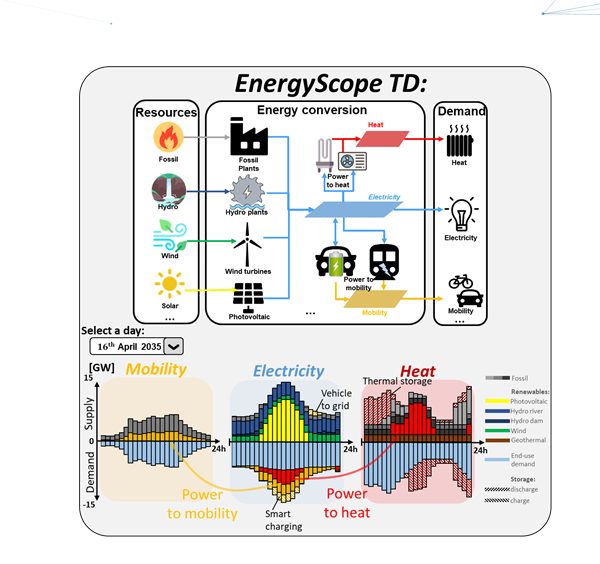
Generating energy transition pathways: application to Belgium
On the 18th of June, Gauthier Limpens passed his PhD thesis. Through his 5 years of work and a strong collaboration with the EPFL (Lausanne) he co-developed the model EnergyScope and an extension which enables the optimisation of the transition pathways of a country energy system. The models developed will be used and developed through the BEST-energy project.